Free RPG Day 2026: One-Shot Prep with AI Maps
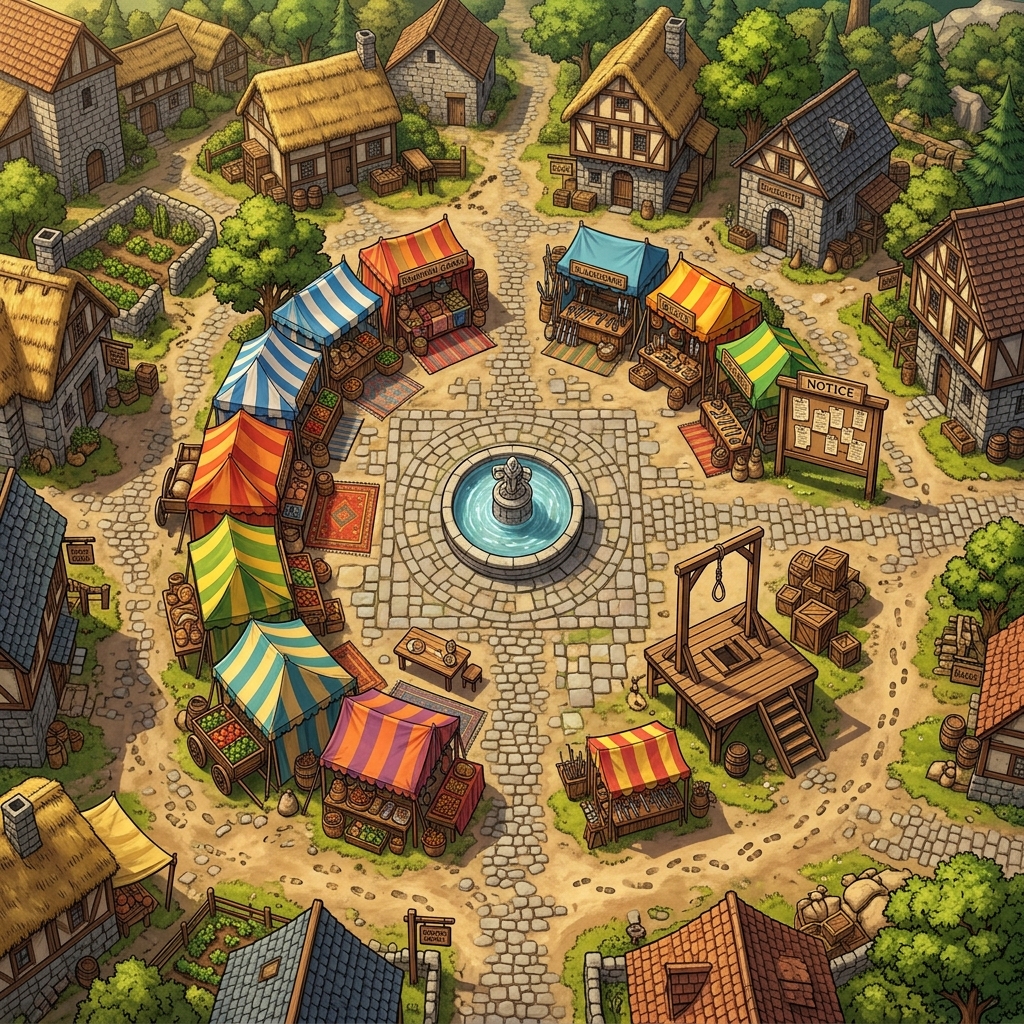
Free RPG Day is finally here, and local hobby shops are packed with excited players looking for adventure. Perhaps you volunteered to run a table at the last minute, or maybe your regular group asked you to host a special session. Regardless of how you got here, you now have less than twenty-four hours to prepare. Preparing for a tabletop RPG one shot can be intimidating, especially when you need to capture the attention of players who might be complete strangers. Fortunately, modern GM tools make it easy to get a game ready without spending all night reading rulebooks or drawing lines.
With the power of AI-assisted map generation, you can build a set of beautiful, tactical layouts in minutes. When time is short, the right visual aids make all the difference. This guide will walk you through a streamlined workflow to get your adventure ready in under an hour, so you can spend less time stressing and more time enjoying the hobby with your community.
Why One-Shots Demand Better Maps
Running a one-shot adventure is vastly different from hosting a session in a campaign. In an ongoing campaign, players are invested in their characters and familiar with the setting. They already know what the local tavern looks like, and they have established relationships with NPCs. A simple sketch on a vinyl mat is often enough because the group's shared history carries the narrative weight.
One-shots do not have the luxury of time. You are welcoming new players, introducing characters, and establishing a setting all in the first ten minutes. Because you lack a shared narrative foundation, the visual environment must carry the load. A high-quality battle map instantly communicates the mood, the stakes, and the reality of the space. It gives players immediate tactical choices: showing them where to take cover, which ledges offer high ground, and what hazards they can exploit. Rather than spending valuable session time describing the height of a balcony, you let the artwork speak for itself. A stunning layout makes the world feel real from the moment miniatures are placed, helping players slide into character and start making decisions without hesitation.
The Three-Map One-Shot Structure
To make one-shot prep manageable, structure your adventure efficiently. Designing a massive dungeon crawl for a single session is a recipe for burnout. Instead, focus on a three-act structure that fits neatly into a standard three-hour slot. Each act should revolve around a single key scene, supported by its own map.
The first act is your opening hook and social setup. Drop the players directly into the action, giving them a brief moment to introduce characters before presenting the central conflict. A town square, a marketplace, or a tavern works perfectly. If you start in a tavern, you can browse some popular AI tavern map generator ideas to find a layout that fits your theme.
The second act shifts the focus toward investigation or a puzzle. This is where the players gather clues, navigate hazards, or bypass defenses. The map should emphasize environmental interaction, featuring hidden chambers, locked doors, or ancient runes. An abandoned building, a suspect's home, or a crumbling ruin works well.
The third act is the climactic battle. This final showdown is where the party confronts the boss, stops a ritual, or escapes a collapsing environment. The map must be the most dramatic and tactically rich of the three, featuring distinct elevation levels, hazardous terrain, and clear obstacles. Think of boss lairs, cliff edges, or ancient chambers lined with magical energy. This three-map structure ensures a steady narrative pace that keeps players engaged from start to finish.
Three Free RPG Day Map Prompts
To help you get started, we have designed three encounter concepts that follow this three-act structure. You can plug these prompt ideas into our generator to create the maps you need.
Act one uses a town square that is interrupted by a chaotic event, featuring open spaces for movement alongside tight corridors.
- Act 1 Prompt (The Marketplace Ambush): A top-down fantasy marketplace square, wooden merchant stalls filled with colorful rugs and clay pots, stone cobblestone ground, bright midday sunlight, digital fantasy art style.
- Encounter Hook: While the characters are browsing, a crate of unstable magic potions ruptures, causing beasts of burden to panic. The players must coordinate to calm the animals and protect fleeing citizens before the guard arrives.
Act two guides the players to a ruined site where the source of the instability is hidden. This requires narrow pathways and structural obstacles.
- Act 2 Prompt (The Ruined Conservatory): A ruined stone greenhouse interior, shattered glass panes on the floor, overgrown with giant glowing purple ferns and thick ivy, cracked stone pillars, misty atmosphere, soft twilight lighting.
- Encounter Hook: The trail leads to an abandoned conservatory, where magical runoff has mutated the local plant life. The party must navigate the crumbling structure and disable three pulsing arcane pods while defending against hostile vines.
Act three places the characters in a high-stakes environment where the ground itself is a hazard.
- Act 3 Prompt (The Obsidian Ritual Chamber): A dark volcanic chamber, streams of glowing orange lava flowing through cracks in the obsidian floor, a raised stone altar in the center, towering basalt pillars, dramatic lighting.
- Encounter Hook: In the heart of the ruins, a rogue apprentice is siphoning magical energy to summon an elemental. The characters must stop the ritual before the lava levels rise and submerge the chamber.
Prep in Under an Hour
When preparing for Free RPG Day, efficiency is key. Do not spend hours meticulously designing every detail. Instead, divide your preparation into four fifteen-minute blocks to build a polished, high-energy session.
First, spend fifteen minutes outlining the core idea. Choose a simple theme: a magical accident, a haunted relic, or a missing merchant. Identify the villain, write down three key NPCs, and list the major clues the players need to find. Keep your notes to a single page.
Next, spend fifteen minutes generating your three maps. Using the generator at Text to Tabletop, you can enter your prompts to receive detailed tactical layouts. Because the engine features an automatic 90-degree top-down camera lock, you do not have to worry about weird perspective angles or skewed walls. The tool also automatically strips away grids and NPCs, giving you clean files to import directly into your virtual tabletop or print for physical play. If you need prompt inspiration, read our list of 10 AI-generated battle map ideas to kickstart your creativity.
For the third block, spend fifteen minutes building encounter statistics. Grab existing stat blocks from your rulebook and reskin them. A basic bandit can easily become a cultist or a corrupted guard. Write down health pools, defense values, and primary attacks on an index card.
Finally, spend fifteen minutes on details that elevate the experience. Pick a moody playlist, print physical handouts, and review the pre-generated character sheets you will hand out. With this workflow, you will have an adventure ready before your coffee gets cold.
After Free RPG Day: Keep the Players
The tables you run during this event are not just isolated games; they are the gateway to building a consistent group. The players you meet this weekend, whether they are brand-new or experienced players checking out a new system, are the future regulars of your campaigns.
Use the momentum of a successful session to invite them back. Hand out index cards with your contact details or invite them to a community server. By showing them how organized, visually engaging, and exciting your sessions are, you make it easy to say yes to the next adventure.
Ready to forge your own adventure? Bring your campaign ideas to life with high-quality visual aids. Try Text to Tabletop and get your table ready for the big event!
Tyler V
Lead Developer and UX Designer at Text to Tabletop. Passionate about helping GMs and players create better TTRPG experiences.
Ready to Forge Your Next Battle Map?
Describe the encounter and get a grid-aligned, top-down battle map in seconds — then regenerate any area until it matches your vision.
Generate Your First Map Free3 free map tokens · no credit card required